
Why Modular Construction Is Quietly Reshaping Infrastructure Delivery
Infrastructure projects have historically followed a sequential construction rhythm. Planning, site preparation, material delivery, and phased construction often extended timelines across multiple years.
A quieter shift is beginning to reshape this model.
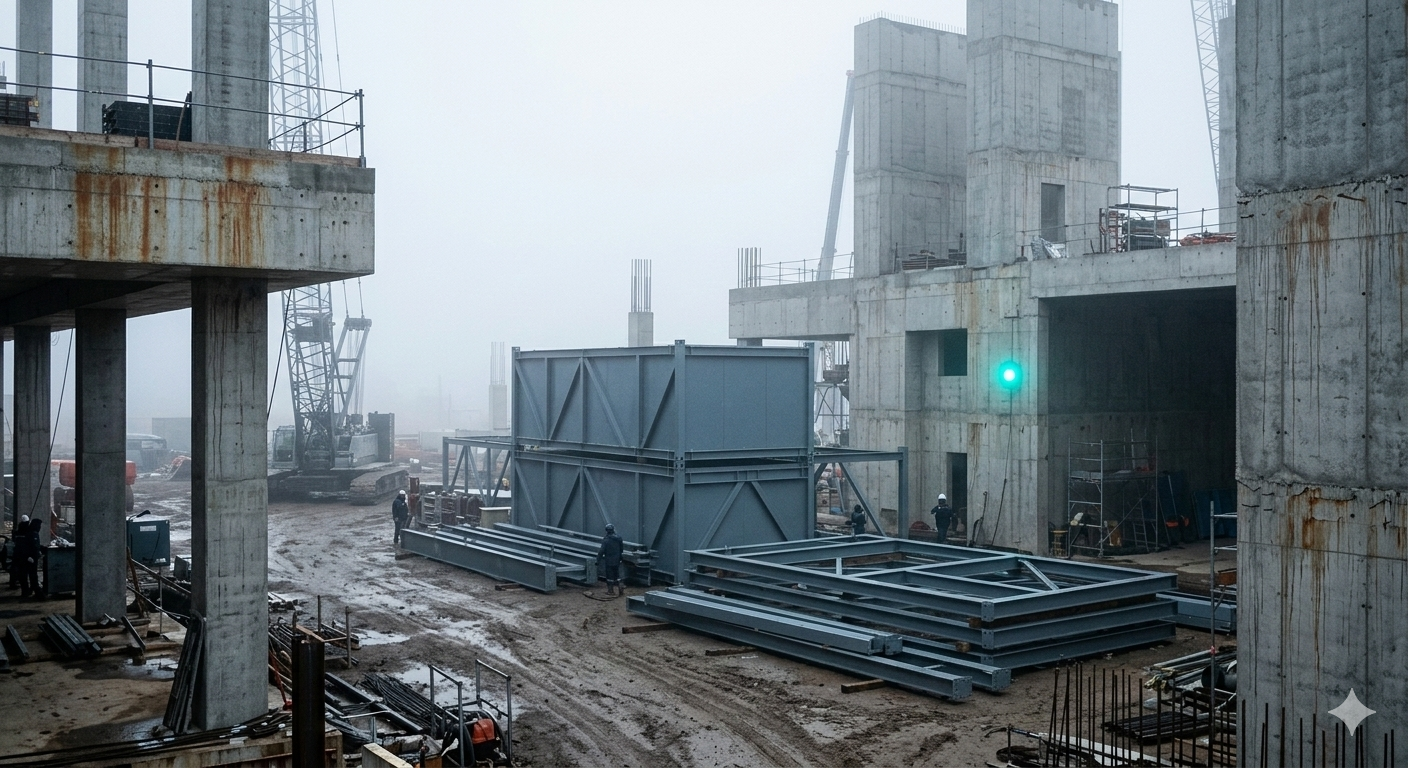
Modular construction allows key structural components to be fabricated in controlled environments before being transported to the project site.
This approach introduces several operational advantages:
- Improved quality control through standardized manufacturing
- Reduced exposure to weather and site delays
- Parallel progress between fabrication and site preparation
Instead of assembling every element on location, infrastructure teams can install large structural modules already prepared for integration.
The result is faster delivery timelines and more predictable project coordination.
As global infrastructure demand continues to grow, modular construction is emerging as an increasingly important strategy for organizations seeking efficiency without compromising engineering quality.
Ready to transform your hiring?
Let's Find Your Next Star
Experience the power of AI-driven recruitment with human expertise. Get exceptional technical talent in 48-72 hours.
Start the Conversation