
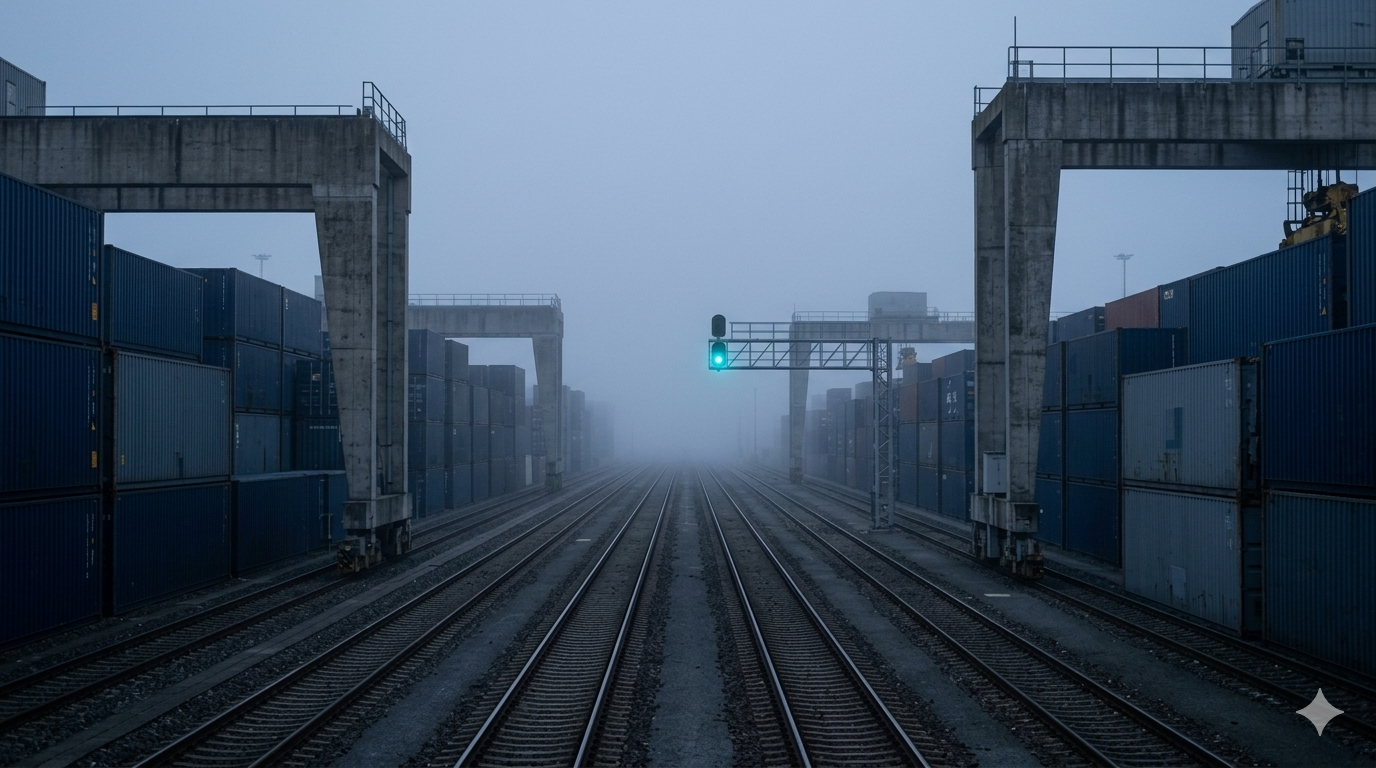
Rail Freight Corridors and the Future of Logistics Resilience
Rail freight infrastructure is re-emerging as a strategic component of national logistics networks. While road transport has historically dominated freight movement in many regions, rail corridors offer advantages that are increasingly difficult to ignore. High-volume freight transport, energy efficiency, and long-distance reliability all position rail systems as critical infrastructure for resilient supply chains.
In recent years, governments and logistics operators have begun reinvesting in freight rail corridors capable of supporting larger cargo volumes with lower environmental impact. These corridors connect ports, industrial zones, and distribution hubs through high-capacity transportation routes designed to reduce congestion across road networks.
Rail infrastructure also provides a valuable layer of redundancy within logistics systems. When disruptions affect highways or shipping lanes, freight rail can maintain the movement of goods across regions. This redundancy is becoming particularly important as supply chains face increasing volatility from geopolitical shifts, climate events, and fluctuating demand patterns.
Modern rail freight systems are also integrating digital scheduling platforms and cargo tracking technologies. These systems improve coordination between rail operators, freight terminals, and logistics providers.
However, the true strength of rail corridors lies in their physical capacity to move large volumes of goods efficiently across long distances. As global trade continues evolving, the countries that invest in strong rail freight infrastructure will gain a powerful logistical advantage.
Ready to transform your hiring?
Let's Find Your Next Star
Experience the power of AI-driven recruitment with human expertise. Get exceptional technical talent in 48-72 hours.
Start the Conversation